Rap Joint Lagos

Battle/Diss Joints

We compiled this list of battle/diss rap in this playlist through an extensive review of rap songs catalog. It contains the very popular, unpopular, and missed tracks. We hope you will enjoy the playlist as much as we enjoyed making it Battle rap is a type of rapping that includes bragging, insults, and boasting content.  Battling can occur on recorded albums, though rap battles are often recited or freestyled spontaneously in live battles, “where MCs will perform on the same stage to see who has the better verses”. Although never a battler, battle rap was loosely described by Diplomat’s group member 40 Cal in the book How to Rap(2009) as “extracurricular” and he compares it to the dunk contest in the NBA. Battle rap has since developed into highly organized league events drawing in millions of dollars and views. Battle rap events themselves are usually “sold out”. Rap battles are often written solely for the purpose of impressing people with technically inventive rapping and knowing a wide variety of rapping styles and a wide range of MCs is recommended. Some MCs started out writing mostly battle raps and battling other MCs before they began making records. Some of the most prominent battles that took place on the record are listed in the book, Ego Trip‘s Book of Rap Lists, and include such battles as the Roxanne Wars (1984–1985), Juice Crew vs. Boogie Down Productions (1986–1988), Kool Moe Dee vs. LL Cool J (1987–1991), MC Serch vs. MC Hammer (1989–1994), Dr. Dre & Snoop vs. Eazy E, Dr. Dre & Snoop Dogg vs. Luke (1992–1993), Tupac vs Biggie Smalls, Tupac v. Nas, Tupac vs. Mobb Deep, East Coast Rappers vs. West Coast Rappers, Common vs. Ice Cube (1994–1996), MC Pervis & Brand New Habits and LL Cool J vs. Canibus(1997–1998); DJ Quik vs. MC Eiht, Jay-Z vs. Nas, Eminem vs. Benzino, Eminem vs. Canibus, 50 Cent vs. Ja Rule, Queen Latifah vs Lil Kim, Foxy Brown and Lauryn Hill – all of which include memorable battle rap verses. Eminem’s 2002 battle rap inspired movie, 8 Mile, is largely believed to have introduced the style to mainstream audiences, generating a renewed interest and popularity in battling. For further reading Diss Joints Playlist Apple Music Playlists

Battle/Diss Joints Read More »

Andre Harrell Joints

By Jean Petit Jean “My goal is to bring real black America — just as it is, not watered down — to people everywhere through music, through films, through everything we do,” Andre Harrell told The Los Angeles Times in 1992 after signing a $50 million deal with MCA for a new company, Uptown Entertainment. Harrell— who was also one half of the successful rap duo Dr Jekyll & Mr Hyde— was interested in more than just music. He wanted to shape culture. That was the drive behind setting up Uptown Records. Harrell wasn’t satisfied with just making music as a rapper, he wanted to shape the culture of cool around the world. The success of juggernauts like Mary J. Blige and Sean Combs are clear markers of Harrell’s vision, and he can also be credited with paving the way for Jodeci and Heavy D, and Biggie who left Uptown for Bad Boy entertainment at the same time Puffy Daddy was leaving.  Here are some of his classic performances and productions:

Andre Harrell Joints Read More »

Hip-Hop Personality of the Week: “The Commissioner” Steve Stoute

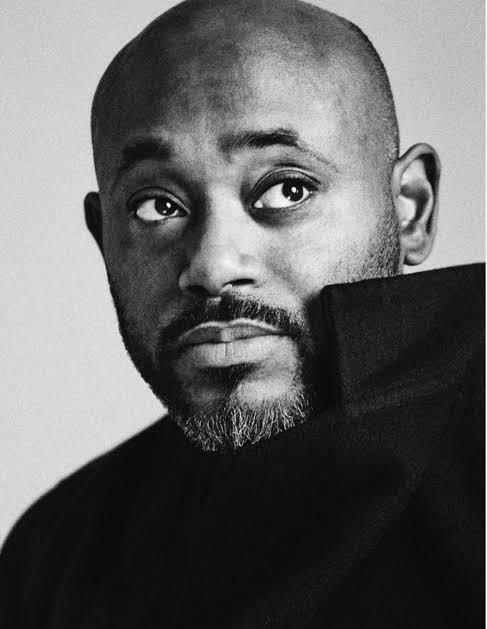
Steve Stoute (born June 26, 1970) is an American businessman and record executive. Stoute is the CEO of UnitedMasters, founder and CEO of the Translation, a marketing agency, and the author of The Tanning of America: How Hip-Hop Created a Culture That Rewrote the Rules of the New Economy. Previously, he worked in the music industry as an American record executive and artist manager. His stint in the world of music started at 26, when he became the President of the Urban Music Division at Sony Music Entertainment. He led legendary artists such as Mariah “The Voice” Carey, Nas, Fugees, Dre, Celine Dion and “The Fresh Prince,” Will Smith. He then transitioned to Interscope Geffen A&R records as their new President in 1999 where he would form a life-long friendship with Shawn “Jay-Z” Carter after being a key player in Jay’s partnership with Reebok at the time. He was often known for his great ability to form successful partnerships and bridge gaps between musicians and brands. The Commissioner, as he is fondly known, was a manager to Nas, Trackmasters and Mary J. Blige. He is largely credit for transforming Nas from a critically acclaimed lyricist in “Illmatic” to a commercial success in “It Was Written”. In April 1999, Diddy (then known as Puff Daddy), reportedly barged into the offices of Stoute with several bodyguards, and struck Stoute over the head with a champagne bottle. In June 1999, Stoute sued Combs, resulting in a $500,000 out-of-court settlement from Combs.The disagreement was over Combs’ demand that the crucifix version of Nas’ “You Can Hate Me Now” video that he appeared in should not be aired. Nas narrated the beef on “Last Real Ni**a Alive” off his “God’s Son” album. In 2001, Stoute moved from the music industry into the advertising industry. In 2004, he founded Translation, a creative solutions company. He has worked with clients including McDonald’s (I’m Lovin’ It campaign), The NBA and The NFL. In 2013, Stoute was named Ad Age’s Executive of the year In 2014, Stoute partnered with Google, Apple, and Andreessen Horowitz to found UnitedMasters, a technology platform that empowers over 1.9M global independent artists to distribute their music and reach their fullest potential—creatively and financially. UnitedMasters artists retain full ownership of their master recording rights and are able to earn beyond streaming through connections with the world’s biggest brands. Stoute released his first book The Tanning of America: How Hip-Hop Created a Culture That Rewrote the Rules of the New Economy in 2011 through Gotham Books. In the book, Stoute draws from his diverse background in the music industry and brand marketing to chronicle how an upstart art form – street poetry set to beats – came to define urban culture as the new embodiment of cool. In February 2014, the book was made into a four-part VH1 Rock Doc, “The Tanning of America: One Nation Under Hip-Hop.” In April 2014, the book was released as an audiobook narrated by Kerry Washington. The Commissioner’s current moves at UnitedMasters is disruptive to the recording companies stranglehold on the business in favour of artists particularly in Africa. In Nigeria, for example, a reliable source stated that through UnitedMasters the artists will own 100% of their masters in exchange for small fee of 20,000 Naira with access to marketing opportunities on platforms in partnership with UnitedMasters. The Commissioner is a leading light for the promotion of hip-hop economy particularly ownership of means of production in the music business by blacks. He is considered a cultural icon in terms of his positive impact in empowering artists to own their body of work and ancillary incomes from ownership of brands and endorsements Outside of work, Stoute serves as a board member for the Robinhood Foundation, New York City’s largest poverty-fighting organization. For over thirty years, Robinhood has partnered with 250+ nonprofits to support food, housing, education, legal services, workforce development, and more to New Yorkers living in poverty across all five boroughs. Personally, Stoute is married to Lauren Branche and has two children – Pharaoh, who is 4 years old, and Sophia, who is 18 years old and is a freshman at Columbia University.

Hip-Hop Personality of the Week: “The Commissioner” Steve Stoute Read More »

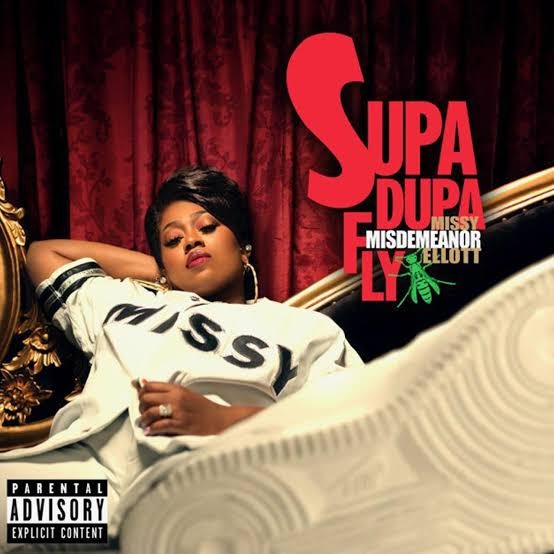
Missy Eliott, Super Dupa Fly Album Review by Rahmon

During a time when commercial hip hop was frowned upon, and heavily criticized, Missy Elliott proved there could be originality in it. Not afraid to experiment with different genres, and have a unique personality, Missy’s ear for beats helped the quality of her music as well. With the help of Timbaland (who was relatively unknown at the time), a fresh, innovative production style was heard by the world. Missy’s style was unique too, she had a melodic delivery, as well as her unorthodox rap style not yet heard by a female in hip hop, and hardly even heard by males in hip hop. Perhaps one of the most versatile female MC’s of all time, it would make sense why she would team up with Timbaland, one of the most versatile hip hop producers of all time. Timbaland’s production style, as proven on this album, is original, versatile, and above all, sounds great. From smooth R&B sounds, to head-nodding hip hop tracks, Timbaland proved himself to be one of the best, and most versatile hip hop producers. Supa Dupa Fly is the debut studio album by American rapper Missy “Misdemeanor” Elliott, released July 15, 1997, on The Goldmind and Elektra Records. The album was recorded and produced solely by Timbaland in October 1996, and features the singles, “The Rain (Supa Dupa Fly)”, “Sock It 2 Me”, “Hit Em wit da Hee” and “Beep Me 911”. Guest appearances on the album include Busta Rhymes, Ginuwine, 702, Magoo, Da Brat, Lil’ Kim, and Aaliyah. The album was recorded in just two weeks. The album received acclaim from critics, who praised Timbaland’s futuristic production style and Elliott’s performances and persona. It debuted at number three on the US Billboard 200 and topped the US Top R&B/Hip-Hop Albums chart. The album was certified platinum by the Recording Industry Association of America (RIAA) and has sold 1.2 million copies in the United States.In 2020, the album was ranked 93 on Rolling Stone’s 500 Greatest Albums of All Time and, in 2022, 53 on their 100 Best Debut Albums of All Time. Missy Elliott’s melodic, sing-song delivery helped her songs sound better, and keeps the listener interested throughout the album. On top of being a talented rapper, Missy Elliott is a very talented singer as well. Missy Elliott had head-nodding hip hop tracks (“Izzy Izzy Ahh”, “Gettaway”), great R&B tracks (“Why You Hurt Me”, “Friendly Skies”, “Best Friends”), and more sounds to keep you interested. There’s enough diversity on this album to make you want to come back to it, and just general great music. Supa Dupa Fly is a fantastic album, and Missy Elliott’s magnum opus. From the production, to Missy’s delivery, this album, as Busta Rhymes describes it in his outro, is an emotional roller coaster. From front to back, this album should keep you interested with its diversity, both in production and lyrical styles. One of the gems from the commercial rap era. Supa Dupa Fly debuted at number three on the US Billboard 200 with 129,000 copies sold in the first week released,becoming the highest debut for a female rapper at the time.The album remained on the chart for 37 weeks. On September 19, 1997, the album was certified platinum by the Recording Industry Association of America (RIAA) for sales of over a million copies.As of June 2008, it has sold 1.2 million copies in the United States. References  Wikipedia.com sputnikmusic.com all music.com

Missy Eliott, Super Dupa Fly Album Review by Rahmon Read More »

Kanye West: Hiphop and Pop Culture At Their Finest

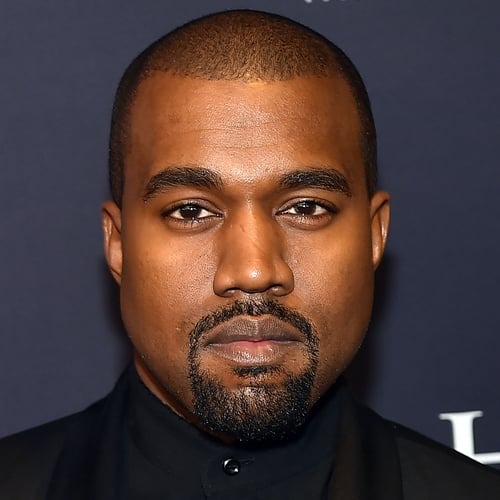
One of the most influential and critically lauded artists of the early 21st century, Kanye West went from hip-hop beatmaker to worldwide hitmaker as his production work for artists such as Jay-Z led to a major-label recording contract. And, ultimately, a wildly successful solo career that counted an unbroken string of chart-topping, multi-platinum albums and nearly two-dozen Grammy Awards for classic sets like 2005’s Late Registration, 2007’s Graduation, and 2010’s My Beautiful Dark Twisted Fantasy. Early on, West paired his beats with tongue-twisting raps and outspoken confidence. With a backpack and brightly colored polo shirt, his dapper fashion sense set him apart from many of his rap peers, while his attitude often came across as boastful and egotistical. This flamboyance made for good press, something that West enjoyed, for better or worse, throughout the course of his career. Ye (/jeɪ/ YAY; born Kanye Omari West; June 8, 1977), commonly known as Kanye West[c] (/ˈkɑːnjeɪ/ KAHN-yay), is an American rapper, record producer, entrepreneur, and fashion designer. He is widely regarded as one of the greatest and most influential hip hop musicians of all time, as well as one of the greatest musicians of his generation. Born in Atlanta and raised in Chicago, West gained recognition as a producer for Roc-A-Fella Records in the early 2000s, producing singles for several artists and developing the “chipmunk soul” sampling style. Intent on pursuing a solo career as a rapper, he released his debut studio album, The College Dropout (2004), to critical and commercial success. West subsequently founded his record label GOOD Music later that same year. West explored diverse musical elements such as orchestral arrangements, synthesizers, and autotune on the albums Late Registration (2005), Graduation (2007), and 808s & Heartbreak (2008). Drawing inspiration from maximalism and minimalism respectively, his fifth album My Beautiful Dark Twisted Fantasy (2010) and sixth album Yeezus (2013) were also released to critical and commercial success. West further diversified his musical styles on The Life of Pablo (2016) and Ye (2018), and explored Christian and gospel music on Jesus Is King (2019). After a series of delays, his highly anticipated tenth album Donda (2021) was released to continued commercial success, but to mixed critical reception. He released its sequel, Donda 2 (2022), a few months later, exclusively through his tie-in audio speaker service. West’s discography also includes the full-length collaborative albums Watch the Throne (2011) with Jay-Z and Kids See Ghosts (2018) with Kid Cudi. With his outsized personality, he courted plenty of controversy, posing for the cover of Rolling Stone as Jesus Christ, claiming that “George Bush doesn’t care about Black people” during a televised Hurricane Katrina fundraiser, and infamously interrupting an awards speech by Taylor Swift in 2009. And yet, his steady presence in the celebrity limelight couldn’t eclipse his musical talent. His production abilities seemed boundless, as he not only racked up impressive hits for himself (including number one singles “Gold Digger” and “Stronger”) but also had smash hits with longtime collaborator Jay-Z (on their 2011 Watch the Throne track “Ni**as in Paris”) and even Paul McCartney (along with Rihanna on 2015’s “FourFiveSeconds”). As his career progressed throughout the early 21st century, West became a superstar on his own terms without adapting his appearance, his rhetoric, or his music to fit any one musical mold. A proud and vocal Chicagoan, West was actually born in Atlanta, moving to the Windy City with his English professor mother after his parents split when he was three years old. One of his major inspirations, Donda West helped shape young Kanye, taking him to China in the late ’80s on education exchange and establishing a strong base that made him a top pupil in high school. However, his music dreams would eventually eclipse academics and he dropped out of college, setting the stage for his best-selling school trilogy. With guidance from local producer No I.D., West went on to learn the finer points of studio production, programming, and sampling, the latter technique becoming a hallmark of his early-2000s work. The Blueprint West first got his foot in the industry door in the late ’90s, doing quite a bit of noteworthy production work for the likes of Jermaine Dupri, Foxy Brown, Mase, and Goodie Mob. However, it was West’s work for Roc-A-Fella at the dawn of the new millennium that took his career to the next level. Alongside fellow fresh talent Just Blaze, West became one of the Roc’s go-to producers, consistently delivering hot tracks to album after album. His star turn came on Jay-Z’s classic The Blueprint (2001) with album standouts “Takeover” and “Izzo (H.O.V.A.).” Both songs showcased West’s signature beatmaking style of the time, which was largely sample-based; in these cases, the former track appropriated snippets of the Doors’ “Five to One,” while the latter sampled the Jackson 5’s “I Want You Back.” The College Dropout More high-profile productions followed, and before long, word spread that West was going to release an album of his own, on which he planned to rap as well as produce. Unfortunately, that effort was a long time coming, pushed back repeatedly until a freak accident threatened to end his solo career before it even started. In October 2002, West was in a car accident that almost cost him his life and left him with a jaw wired shut during his weeks-long recovery. He capitalized on the traumatic experience by using it as the inspiration for “Through the Wire” (and its corresponding video), which would later become the lead single for his debut album, 2004’s The College Dropout. As the album was further delayed, West continued to create big hits for the likes of Talib Kweli (“Get By”), Ludacris (“Stand Up”), Jay-Z (“’03 Bonnie & Clyde”), and Alicia Keys (“You Don’t Know My Name”). Then, just as “Through the Wire” was breaking big-time at the tail-end of 2003, another West song caught fire, a collaboration with Twista and actor Jamie Foxx called “Slow Jamz,” which gave the rapper/producer two simultaneously ubiquitous singles and a

Kanye West: Hiphop and Pop Culture At Their Finest Read More »

Lauryn Hill, A Hiphop Royalty and More

Lauryn Noelle Hill (born May 26, 1975) is an American rapper, singer, songwriter and actress. She is often regarded as one of the greatest rappers of all time,as well as being one of the most influential musicians of her generation. Hill is credited for breaking barriers for female rappers, popularizing melodic rapping and for bringing hip hop and neo soul to popular music. She is known for being a member of Fugees and her solo album The Miseducation Of Lauryn Hill (1998), which became one of the best-selling albums of all-time. Hill has won many accolades, including eight Grammy Awards, the most for a female rapper to this day. Lauryn Hill broke through with multi-platinum-selling, Grammy-winning group the Fugees, but with her 1998 solo debut The Miseducation of Lauryn Hill, the singer, songwriter, rapper, and producer established herself as a creative force on her own. She successfully integrated rap, soul, and reggae into a singular sound. Eclectic, uplifting, and empowering, the album was often cited by younger artists as a touchstone. Following its success, Hill was something of an enigma, her recorded output limited to a live set, scattered compilation appearances, and a handful of collaborations. Disenchantment with the entertainment industry, along with legal issues and erratic performances, did not lessen the impact of her ’90s work. Raised in South Orange, New Jersey, Hill spent her youth listening her parents’ multi-genre, multi-generational record collection. She began singing at an early age and snagged minor roles on television (As the World Turns) and in film (Sister Act II: Back in the Habit). Her on-again/off-again membership in the Fugees began at the age of 13, but was often interrupted by both the acting gigs and her enrollment at Columbia University. After developing a following in the tri-state area, the group’s first release — the much-hyped but uneven 1994 album Blunted on Reality — bombed, and almost caused a breakup. But with the multi-platinum 1996 release The Score, the Fugees became one of the most prominent rap acts on the strength of hit singles “Killing Me Softly,” “Ready or Not,” and “No Woman, No Cry.” Hill followed it in August 1998 with The Miseducation of Lauryn Hill, her first solo release. Apart from a cover of “Can’t Take My Eyes Off You,” popularized by Frankie Valli, each song was either written or co-written by Hill. She was also credited with the arrangement and production of the whole album, which was steeped in her old-school background, both musically (the Motown-esque singalong of “Doo Wop [That Thing]”) and lyrically (the nostalgic “Every Ghetto, Every City”). As Miseducation began a long reign on the charts through most of the fall and winter of 1998, Hill became a national media icon, as magazines ranging from Time to Esquire to Teen People vied to put her on the cover. By the end of the year, as the album topped best-of lists, she was being credited for her part in assimilating hip-hop into the mainstream. The momentum culminated at the February 1999 Grammy Awards, during which Hill took home five trophies from her 11 nominations, including Album of the Year, Best New Artist, Best Female R&B Vocal Performance, Best R&B Song, and Best R&B Album — the most ever for a woman. Shortly after, she launched a highly praised national tour with Atlanta rappers OutKast. Hill continued shaping her solo career, though it hit some significant snags. She faced a lawsuit from musicians who claimed they were denied full credit for their work on Miseducation — a matter that was eventually settled out of court. After some film projects fell through, she retreated from the music scene as she raised her family and partially attributed her hiatus to feeling too compromised. The double-disc MTV Unplugged No. 2.0 appeared in May 2002 and documented a raw, deeply personal performance. It debuted at number three but quickly slid off the Billboard 200. During the next several years, her recordings and performances were infrequent and erratic, highlighted by a Fugees reunion for Dave Chappelle’s Block Party. In 2013, she spent almost three months in prison for tax evasion but was more active after her release. The following year, the English-language version of the Swedish documentary Concerning Violence was released with Hill as its narrator. She executive produced and recorded six songs for the 2015 release Nina Revisited: A Tribute to Nina Simone, including interpretations of “Feeling Good” and “Black Is the Color of My True Love’s Hair.” Hill is widely considered to be one of the greatest rappers of all time,and has often been called the greatest female rapper. The New York Times once referred to Hill as “the most popular woman in hip-hop”. Rapper Kool Moe Dee gave Hill the highest score of any rapper on his rap ‘Report Cards’ list from the book, Ego Trip’s Book of Rap Lists.Furthermore Beyoncé once stated that she is “one of the best hip-hop rappers ever”.In 1998, Time magazine declared her as the “Queen of Hip Hop”. The Academy of Achievement, The Boston Globe,and Billboard, among others, have also dubbed her with the same title. In 2015, Billboard named her the seventh greatest rapper of all time on their “10 Best Rappers of All Time” list, with Hill being the only female rapper on the list Hill has often been cited as one of the most influential entertainers of her generation.Many artists have cited Lauryn Hill as an inspiration to them, including pop artists Adele,Beyoncé,Dua Lipa,Christina Aguilera,Britney Spears,Mumford & Sons,SZA,Doja Cat,H.E.R.,P!nk, Kelly Clarkson; rappers Kanye West,Jay-Z,Missy Elliott,Nicki Minaj,Nas,Lil’ Kim, Foxy Brown,Rapsody;Afrobeats singers Tems,and Wizkid; and K-pop artists Jennie of Blackpink,CL of 2NE1,and RM of BTS. Multiple artists have titled their projects after the album including Freddie Gibbs (The Miseducation of Freddie Gibbs), Calboy & Lil Wayne (“Miseducation”),and Lil’ Kim (“Mis-education of Lil’ Kim”).Beyoncé also cited Hill as an inspiration to her during the making of her fourth album 4.Additional albums that were inspired by Hill include Daytona by Pusha T,The College Dropout by

Lauryn Hill, A Hiphop Royalty and More Read More »

Chi Modu, Celebrating the Lens of Hiphop

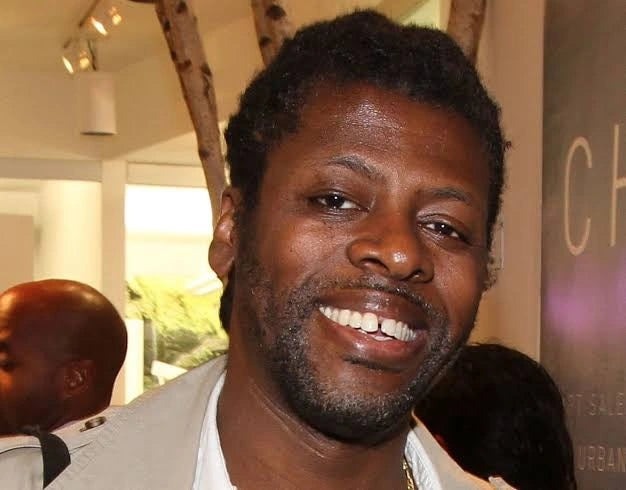
Chi Modu (born 1966) is an American documentary photographer of Nigerian descent, renowned for his photographs of hip-hop artists during the 1990’s, the defining years of the hip hop era.His subjects included Biggie, Tupac Shakur, Snoop Dogg,Mobb Deep, LL Cool J, Mary J. Blige, the Notorious B.I.G. and Wu-Tang Clan.His photos are especially notable for the personal and intimate camera angles of the famous music artists Chi Modu was born in 1966 in Arondizuogu, Nigeria. In 1969, when he was two and a half years old, his family left Nigeria in the middle of a civil war to seek refuge in the United States.Modu grew up in New Jersey. After graduating from The Lawrenceville School in 1984, Modu attended Rutgers University, where he studied economics. He graduated with a B.S.degree in economics in 1989. While still an undergraduate student at Rutgers, he developed an interest in photography and cameras and enrolled in the photojournalism and documentary photography program at the International Center of Photography in New York City soon after, where he received a certificate in 1992. Documenting the defining years of hip hop Chi first picked up a camera while a student at Rutgers. After honing his skills at the International Center of Photography, he landed at The Source, which was the definitive magazine of hip hop culture. It was here that Chi developed relationships with the biggest icons of the hip hop movement, including Tupac Shakur, Notorious B.I.G., Mary J. Blige, and L-L Cool J, most of whom were not yet famous. In addition to shooting over 30 cover photos at The Source, Chi was able to capture the musicians in candid, unexpected moments, due to his disarming manner and unique perspective. His photos include some of the most groundbreaking, memorable images of that era, including Tupac Smoking and Biggie WTC (standing in front of the World Trade Towers). He not only chronicled and defined the most important phase of the hip hop movement, now a global force, he also was able to define the artists and show them as real people, rather than one-dimensional celebrities. Seeing life through a different lens Chi’s unusual background is probably responsible for the unique way he sees and captures the world around him. Born in Nigeria and raised in New Jersey, Chi had to decide at a young age whether to return with his parents to Nigeria or stay behind at boarding school. He chose boarding school, and found himself at Lawrenceville, the prestigious prep school attended by the likes of Michael Eisner and Malcolm Forbes. With his parents on the other side of the world, Chi developed a strong independent streak, which later would manifest itself in his work.  Chi’s most recent project began in August 2013, when massive images of his started appearing on the exterior walls of select NYC buildings, as part of an ongoing installation called Uncategorized. Chi had been searching for a way to make his art accessible to more people. According to Modu, “The art world tends to be very exclusive and full of obstacles for both the artists and the public. My goal is to make art more inclusive by pulling an end run on the galleries and the museums, breaking down the barriers, and bringing the art directly to the people. Like graffiti, but legal.” As to why he calls the exhibit Uncategorized—“People always want to put art and artists into neat little boxes. My work does not fit into any one stereotype and neither do I. I wanted to create something that is the opposite of putting labels on everything and make a statement against stereotyping in general. I don’t see this as just an exhibit. I want to start a movement.” The first four images that went up in August of 2013 included two in SoHo – a 12’ x 9’ rarely seen photo of hip hop legend Tupac Shakur, and a riveting 25’ x 16’ photo of young school boys in the back of a church in Modu’s native Nigeria, and two in Brooklyn – a 16’ x 22’ photo of 21 year old Snoop Dogg shot in 1993 and never released, and a 22’ x 16’ shot of Method Man with smoke curling out of his mouth. In November, an iconic 22’ x 16’ photo of Notorious B.I.G. standing in front of the World Trade Towers went up in the Lower East Side of Manhattan. Within 5 years of this photo being taken, both Biggie and the Towers would be gone. In the summer of 2014, UNCATEGORIZED moved overseas to Finland, where it was the main exhibit at the Pori Art Museum and drew record breaking crowds. Yielding to public demand, Modu published a photography book in September 2016 entitled Tupac Shakur: UNCATEGORIZED. Since the book was launched, UNCATEGORIZED has shown up in dramatic new ways in Seoul, Korea; Bangkok, Thailand; Oslo, Norway; Rio de Janeiro and Sao Paulo, Brazil; Barcelona, Spain; Berlin, Germany; Los Angeles, CA; Riyadh, Saudi Arabia; Dubai, UAE and Lagos, Nigeria. His sponsors and collaborators have included everyone from Adidas to Budweiser. What began as making a bold statement in New York City has become a global movement, with Modu’s loyal fans traveling from city to city to see both him and his latest incarnation of UNCATEGORIZED. A cultural observer Chi’s training as a photographer together with his unique perspective on life make him an uncanny observer of human nature, and a natural at mining provocative insights. As the founder of the strategic think tank Diverse Insights,Chi and his team bring insights to life using brilliant photography, a technique he calls Visual IQ™. Chi counts major ad agencies like Saatchi & Saatchi and advertisers like General Mills, Reebok, and Miller Beer among the companies that have benefitted from his fresh perspective. From Tupac to Lombok In addition to his impressive collection of hip hop photos, Chi has amassed a wealth of travel, sports, entertainment, and lifestyle images. Despite the differences in his subject matter, Chi’s work has a singular focus – it all reflects his refreshing take

Chi Modu, Celebrating the Lens of Hiphop Read More »

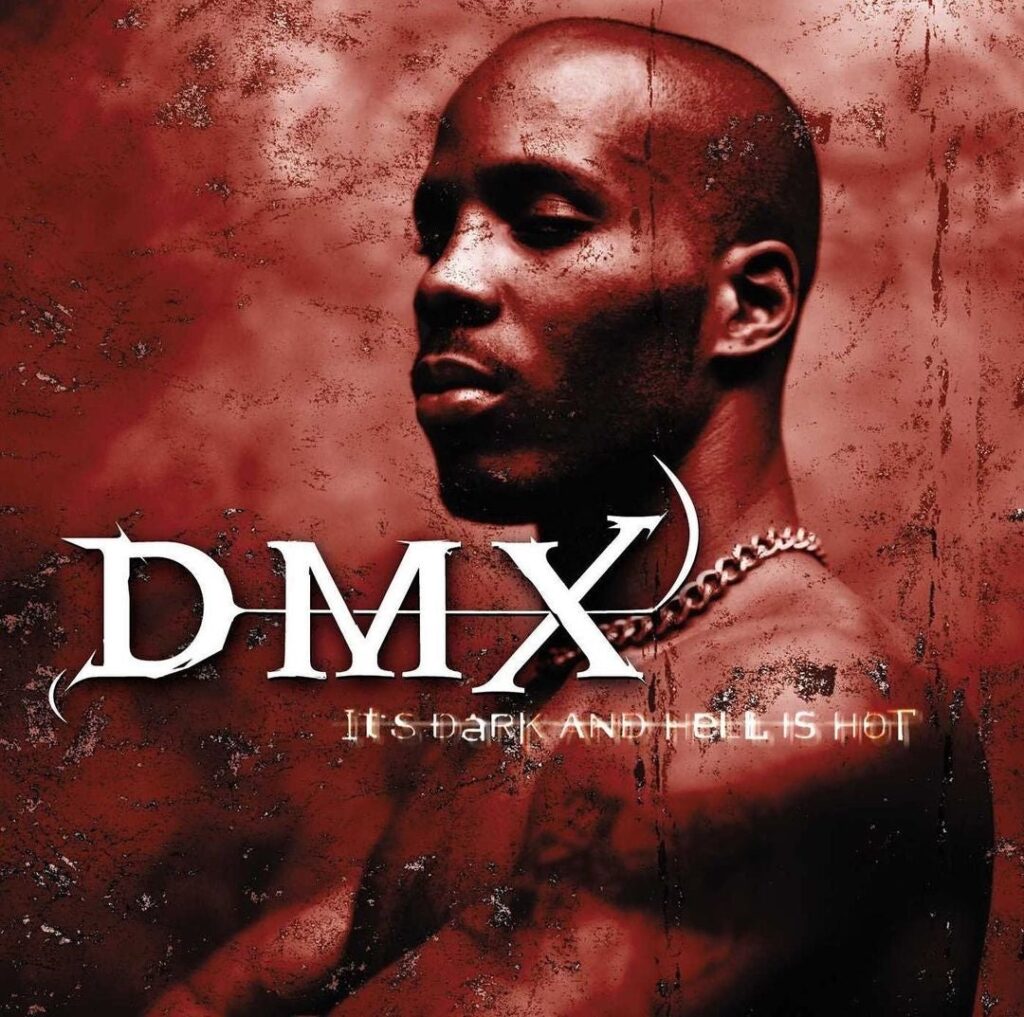
Album Review: It’s Dark and Hell Is Hot by DMX

It’s Dark and Hell Is Hot is the debut album by American rapper DMX. It was released on May 19, 1998, by Def Jam Recordings and Ruff Ryders. It was supported by four singles—”Get at Me Dog”, “Stop Being Greedy”, “Ruff Ryders Anthem” and “How’s It Goin’ Down”, in order of release—and their accompanying music videos.It primarily includes production from Dame Grease (13 tracks) and PK (8 tracks), in addition to production from Irv Gotti and Lil Rob (2 tracks), Younglord (1 track; add.), and Swizz Beatz (1 track). The album is widely considered a classic among hip hop fans and critics.It would be an understatement to say that DMX comes from humble beginnings. The details of his background seem more like a movie plot than an actual life. As a kid, he was abused by his mother and dropped off at a reform school without warning. He became addicted to crack before he was old enough to get a driver’s license. Once, he was jumped and beaten within an inch of his life—all over a crime he didn’t commit.These experiences are bound to harden anyone who lives through them, and that’s exactly what X reflects from the start of It’s Dark. When you listen to the album, you don’t just hear someone putting words together. Instead, you hear a man who has been imprisoned by his struggles and is fighting his way to freedom.DMX, came out to be the most darkest album of Hip Hop in 1998 to go with his famous raspy voice, “It’s Dark and Hell is Hot”. 1998 was great year in Hip Hop and this album pretty much climbs the mountain of the best. The “Intro” starts off with DMX talking somebody (apparently to himself with a deeper voice), then it starts off slow with a badass beat. DMX rips the track with his voice, pistol-whipping rhymes, and with straight passion. The next song is “Ruff Ryders’ Anthem”, the most known song of the album. Swiss Beatz spanks the music with a very snaring horn that makes you picture hummers and machine guns. The bass shakes the track along with DMX memorable chorus and lyrics. A truly hard-ass track, “Ruff Ryders’ Anthem” is DMX’s best club-banger. “Fuckin’ Wit’ D” is another hardcore song. DMX, yet again, kills the rhymes with the hard grunting passion. “Look Thru My Eyes” puts emphasis on the darkness in this track. It’s sad, rainy, and dooming, which was what the album’s vibe. The next track is possibly the album’s most hardcore-yet-jumping: “Get At Me Dog”. Its instrumental resembles a ’70’s soul sample. Plus Sheek Louch from the LOX sings the chorus with imitating power. The highlight of the song was DMX. His lyrics straight-up whoops the track’s ass cuz he sounds more of battling than rapping. To speed it up, “Let Me Fly”, “Stop Being Greedy”, and “ATF” are other dark and political songs that should be highlights of the CD. “I Can Feel It” contains a strong sample of Phil Collins’s song “In the Air Tonight”. It’s another sad and passionate song that really speaks to your heartstrings about your pains and struggles that you spit. “Crime Story” brings out a great, deep, and dark lyrical shrine to DMX. He narrates his experience as he dodges cops and blows his enemies to death with a bomb strapped to his chest. “The Convo” is another great lyrical performance about DMX talking to Him (I respect the Lord enough to call himself Him). As he raps/talks to Him, he gets pissed off cuz he though He wasn’t there for him. At the end, he finally understands how He helped his style and life when he spits the most passionate verse at the end of the song. Two songs that really standout are “Damien” and “How It’s Goin’ Down” cuz they got touching lyrics. “Damien” is DMX’s best story-telling tale. He speaks to an apparent “friend” that has the same name of the Devil’s many. The beat in grim as hell, almost like a horror film. In the track, Damien offers X a chance as the “realest nigga”. Damien appears to be the human version of crime since everything he tells DMX to do is murdering. DMX keeps up a good flow while doing this; very professional.  “How It’s Goin’ Down” is dark-loving hood romance piece. It inherits groovy new jack traits from songs such as Brandy’s “I Wanna Be Down” and pleading-a-girl lyrics like Biz Markie’s “You Say He’s Just A Friend”. It’s an exploring song that ponders about the love ones that you would love to notify and express. DMX comes with creative lyrics with a chorus that is heart-jerking and warming once you put it to a love one.Many fans took notice, as the quality of X’s debut was matched by its commercial success. It’s Dark debuted at No. 1 on The Billboard 200, selling 251,000 copies. The album’s success spurred one of the greatest runs from a superstar in hip-hop. X would go on to become the first rapper to have two No. 1 albums in the same year after he released Flesh of My Flesh, Blood of My Blood later on in 1998. Hit singles, big tours, movie roles and platinum plaques all followed thereafter. From 1998 to 2003, X was a force to be reckoned with.At a time when the rap industry was fixated on luxury, X represented hardship and offered hope to those living through it. He infused new life into hip-hop when the genre was still reeling from the deaths of Biggie and 2Pac. And the conflicting layers of It’s Dark And Hell is Hot proved that DMX is an enigma. We don’t fully understand him, but his work grips us nonetheless.TOP TRACKS:Ruff Ryders’ AnthemGet At Me DogDamienHow It’s Goin’ DownStop Being GreedyI Can Feel ItThe Convo

Album Review: It’s Dark and Hell Is Hot by DMX Read More »

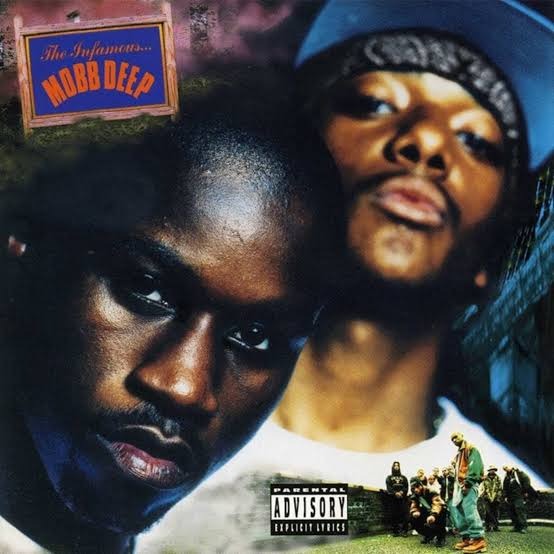
Album Review: The Infamous by Mobb Deep

Mobb Deep’s classic sophomore effort, The Infamous, is an exploration through the urban landscape of New York’s inner city from the perspective of a young, black male immersed in a lifestyle filled with crime, drugs, and poverty. Even today, some listeners tend to misinterpret reporting for glorification; however, this album’s purer intention remains consistent from its introduction down to the final track. Featuring Prodigy’s innate ability to depict vivid tales about the dangers of street life meshed with Havoc’s dark and gritty production, The Infamous instantly became a benchmark in an era that many consider to be hip-hop’s golden age. “The Infamous” is Mobb Deep’s second album and it was released April 25, 1995, and it features guest appearances from Nas, Raekwon, Ghostface Killah and Q-Tip (who also helped produce and mix the album). Despite its hardcore sound, it produced several successful singles, most notably ‘Shook Ones Pt. II’ which peaked at number 7 on the US rap chart. Upon its release, The Infamous achieved notable commercial success, debuting at number 15 on the US Billboard 200 and number 3 on the Top R&B/Hip Hop Albums charts. On February 21, 2020, the album was certified platinum by the Recording Industry Association of America (RIAA).The album produced four singles; “Shook Ones (Part II)”, “Survival of the Fittest”, “Temperature’s Rising”, “Give Up the Goods (Just Step)”; the first three singles achieved varying degrees of chart success, with “Shook Ones (Part II)” being the most successful Credited with redefining the sound of hardcore rap with the incorporation of haunting piano loops, distorted melodies, and lo-fi synthesizers, The Infamous served as a shift in how artists would engineer their music for years to come. Primarily produced by Havoc in his apartment, Q-Tip, the legendary Queens native and founding member of A Tribe Called Quest, also provided a helping hand in the construction of this album. His impeccable ear, along with Prodigy’s vast family involvement with jazz, allowed Havoc to create music that was specific to Mobb Deep’s sound. The album’s first cut, “The Start of Your Ending (41st Side)”, is a fitting opening statement to The Infamous. The dirty snares accompanied with boisterous chants from Mobb Deep’s crew as the backdrop take you out of your vehicle or living room and put you on that park bench that sits within an earshot of the Queensbridge Houses. We should all hope to be blessed enough to enjoy our youth with minimal consequences, but “Cradle to the Grave” is a grim reminder that although experience brings wisdom, growing up much too quickly often proves detrimental and tragic. “Shook Ones Pt. II.” remains the absolute standout on an album legendary for its cohesion. From the song’s opening snare to Prodigy’s iconic line: “To all the killers and hundred-dollar billers,” hip-hop would never be the same. As the project’s lead single, it reintroduced Mobb Deep to the masses, a group that many people dismissed as a bust less than two years prior. Havoc and Prodigy had created something truly special; they realized it once the song was complete. “That was one of the first ones where we were like, ‘Whoa. This shit is ill. This shit sounds crazy right here’,” Prodigy told Complex in 2011. “Shook Ones Pt. II” still sounds extraordinary today and remains one of rap’s most perfect instrumentals. The other singles from The Infamous reflect the deadly environment in which Johnson and Havoc were forced to adapt. “Survival of the Fittest” is a mantra for anyone having to resort to crime and violence not for sport, but out of necessity. “Temperature’s Rising” (feat. Crystal Johnson) was crafted in the same storytelling mold as “One Love” and “Warning”. Although these two young men were only 20 years of age, the imagery in their lyrics is representative of individuals much older. The album’s final single, “Give Up the Goods (Just Step)”, was significant in its own right, for it was the first time the world heard the popular phrase that every Queens native fears, even today. Several seminal artists of the time participated in the recording of Mobb Deep’s magnum opus. “An Eye for an Eye (Your Beef Is Mines) features Nas and Raekwon. Ghostface Killah, Q-Tip, and Big Noyd were also featured on the album, with Noyd appearing on “Give Up the Goods (Just Step)”, “Right Back at You”, and “Party Over”. The willingness of these top-tier musicians to collaborate on this album gave The Infamous a chance to be heard for the genius it possesses. The Infamous received critical acclaim and solidified Mobb Deep in hip-hop lore. It gave up-and-coming rappers another avenue to express themselves and acted as an inspiration to not water down music in search of commercial success. Rap collectives from Capone-N-Noreaga and The Lox all the way to Griselda have taken turns drawing inspiration from Deep’s masterpiece. The Infamous continues to be that flawless body of work, as well as the blueprint for the traditional New York hardcore sound. In a time where hip-hop seems to have centered its focus back on content, lyricism, and originality, The Infamous still resonates with the same impact as it did 27 years ago. To conclude, this is a gritty album with fantastic boom bap production and a great rapping performance from the duo as they give us a proper look at their environment with graphic lyrics and vivid storytelling, as they picture a dark and ugly scene that many have to go through. It’s east coast hip hop mastered and the best album of ’95 as well as Mob Deep’s best – the skits are also great and quite enjoyable. Essential Tracks: “Shook Ones Pt. II”, “Temperature’s Rising”, and “Cradle to the Grave”

Album Review: The Infamous by Mobb Deep Read More »

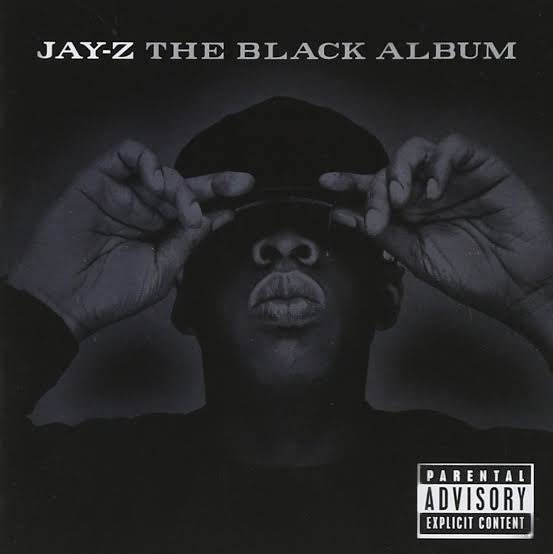
The Black Album: Naked Truths of HOV-By Timilehin Salu

The Black Album is the eight studio album by Shawn Carter a.k.a Jay-Z. It was advertised as his final album before retiring which is a recurring theme throughout the songs. It was released on November 14, 2003, through Roc-A-Fella Records and The Island Def Jam Music Group. Jay-Z draws us into his life story and the circumstances that shaped his life. The album contains his grass to grace story from living the hard knock life to selling out records and getting royalties. He also tells the story what it’s like to be black and be in the game. This 14 track album is haunting yet so beautiful. InterludeThe album opens with an interlude more like an inspirational parable. Blake shows his prowess in storytelling in this track. This isn’t the first time that Jay-Z used an intro to an album that he doesn’t appear in. He reflects on how life is a cycle and all things must conclude. He compares life to a tree growing in Brooklyn among steel and the concrete, one day it too will pass but its legacy goes on through its seeds that will be directed by the wind to a new place for them to begin their legacy (this part gives me a vibe from the Lion King cartoon).The interlude puts his listeners in a state of euphoria. It’s not loud or energetic, you just zone out and reflect. December 4thThis song begins with Gloria Carter giving a dizzy tale about how she had Jay. Z. She tells us the date she received her special child and how she knew he was a special child. This song progresses to Jay telling us about his parent & how he metamophosized into a different person when his father left. He claims he was making up for not causing her pain during birth. He takes us on the journey of a hustler and how he had to pay the price. All that changed when his mum got him a boom box and he embraced the rap life What more can I sayThis was the first song off the album that was released to the general public. On what can I say, Jay Z addresses the accusations that he steals lyrics. He claims he is a writer as well and goes on to quote another artist. To him, stealing an artist lyrics is a way of hyping up the artist. EncoreJay never fails to remind his listeners about his Brooklyn background. This song makes you feel like you’re in Barkely Hall watching him perform live. He further reiterates that he is the best “he came, he saw, & conquered”. He reflects on his record sales & sold out concerts. If you ever need the motivation to keep going, this is your song and remember that record Labels told Jay he “couldn’t cut it” but now he’s ‘star studded”. Change clothesWith a new status comes a new fashion style, at least that’s what Jay Z says. Jay advises that you ‘throw on a suit & get it tapered up”. The impact of this song is so powerful that the then NBA commissioner David Stem had to beg HOV to tell people to “change clothes back” due to a decline in jersey sales. Dirt off your shoulderNo long talk. Here Jay tells us about his luxurious lifestyle & how the ladies show him love. He doesn’t care about the negative comments, he just brushes it off his shoulders. ThreatIf you ever the urge to “wet” someone, you should at least listen to this single. He addresses the 2001 stabbing incident and he reminds niggas not to fuck with him or look at him wrong or he’s coming for you at 5am in the morning. Moment of ClarityIn moment of clarity, Jay Z considers his “Hard Knock life” a gift & a curse. He shares with his listeners a vulnerable part of him, talking about his dad’s death (which did not affect him) but he is glad they got to make up and elated for the moment of clarity as he forgives his dad. This song is more like a daddy issue song. 99 ProblemsI hate the police, I’ve always hated the police and this song tells you why you should too- especially if you’re black (Don’t take my word, take Jay’s). This song flows from a conversation between Jay Z and a police officer. He talks about how he refused to get searched and how that ends for a black man. He addresses the abysmal state of the prison & huge cost of bail because he’s black. InterludeThis is a public service announcement. Jay Z takes a break to reintroduce himself in case you have forgotten. You may now proceed to the next track.Justify my thingThis song is about loyalty and how we all need a loyal crew. Jay Z tries to justify his thug life, he tells the audience about him not being a snitch- sorry 6ix9ine. He believes in honesty, loyalty &friends. He will do anything for his crew. “You kill his dog, he kills your cat” (if you know what that means) LuciferPut your shades on and imagine you are on your way to kill the villain in an action movie. You also have no choice than to bop your head while at it. This song was produced by Kanye West and Jay doesn’t fail to hype his nigga in it. This song also contains a lot of bible references hidden in innuendos you can attribute to gang fights and killings. AllureJay Z makes reference to a movie in this song while hinting to the audience about how he got the name HOV. He talks about dealing with addiction. This song is haunting yet so beautiful. My 1st SongJay Z closes the album with this song. This song opens with a quote from the Late B.I.G. He uses different flows to draw the audience into his life story. He ends the track as well as the album

The Black Album: Naked Truths of HOV-By Timilehin Salu Read More »

Shopping Cart