Rap Joint Lagos

Album Review: Stillmatic by Nas by Rahmon Abdulazeez

Stillmatic is the fifth studio album by American rapper Nas, released on December 18, 2001 by Ill Will and Columbia Records. In contrast to his previous work’s gangsta rap themes, the album contains socially conscious and philosophical themes similar to that of his 1994 debut Illmatic. Nas’ lyrics address topics such as ghetto life, American politics, and his feud with rapper Jay-Z. Stillmatic was a commercial and critical success and helped re-establish Nas’ career, following a period of critical disappointment with his previous album Nastradamus (released in 1999). It debuted at number 8 on the US Billboard 200 and sold over 342,600 in its first week of sales, eventually going on to sell over 2,026,000 copies in the United States. It has been certified Platinum by Recording Industry Association of America Though he had gained critical acclaim with his classic debut album Illmatic in 1994, Nas’ image had been quickly deteriorating in the hip-hop community with his change of theme, from the philosophical topics of Illmatic to the gangsta rap and commercialized sound that became the focus of his later albums. While his second album, It Was Written received positive reviews and introduced him to a greater audience, the follow-ups I Am… and Nastradamus were considered mediocre in comparison by critics.The release of Stillmatic was an attempt by Nas to reestablish his credibility in the hip-hop community, with the title signifying his intentions to continue where Illmatic left off. Nas opens the album with “Stillmatic (The Intro),” produced by The Hangmen 3, a production team consisting of Johnny Bananas, Jeff Two Times and Benzino. Over an exquisite sample of Stacy Lattisaw’s classic 1980 single “Let Me Be Your Angel,” Nas silences his critics and addresses those who had written him off. He raps: “I crawled up out of that grave / wipin’ the dirt, cleanin’ my shirt / They thought I’d make another ‘Illmatic,’ / But it’s always forward I’m movin’ / never backwards.” With impeccable imagery, he also describes his humble beginnings and the rebirth of his career “Ether” comes in at track two on the album curiously the same spot as “Takeover’s” placement on The Blueprint. Opening with a “Fuck Jay Z” sample lifted from 2pac’s “Fuck Friendz,” Nas rips Jay Z with ferocious attacks. “What you think you getting girls now ‘cause of your looks? / Ne-gro please! You no mustache having with whiskers like a rat / compared to Beans you whack / and your man stabbed Un and made you take the blame / your ass went for Jaz to hangin’ with Kane / to Irv, to B.I.G / and Eminem murdered you on your on shit.” Nas, often addressed as the underdog of the battle, raised the stakes upon the track’s release. While Hov released “Super Ugly” shortly thereafter, his comeback didn’t seem to garner as much hype as “Ether.” As a result, some still regard Nas the victor in the battle and the topic is still seriously debated upon a decade and a half later. After a few other slight shots at each other, the feud ended when the pair came together and performed at Power 105.1’s Power House concert in 2005. Nas discarded the catchy hooks and glitzy production when selecting the singles for Stillmatic. “Got Ur Self A…” retools a sample from Alabama 3’s “Woke Up This Morning,” which was also used prominently in the HBO series The Sopranos. Over hard-hitting drums and twirling keys, Nas glides over the track with brags about his lyrical panache and reasons why he’s rap royalty. He gets deeper on “One Mic” and explores the ills of the hood, while calling for simplicity. Chucky Thompson crafted the beat for the mellow/volatile anthem and it features a sample from Phil Collins’ “In the Air Tonight.” With its initial smooth groove sound that gradually morphs into a boisterous thunder, Nas sought to capture the essence of Collins’ 1981 hit. He told Rolling Stone in 2007 that he wanted to create a song that had a similar vibe. One Mic is everything we loved about ILLmatic. Nas paints a picture with his words while starting out as quiet as a whisper, and by the end of the verse he is shouting which builds up only to be calm again, as each line gets more intense, the song gets louder and more intense, which really works extremely well. This song could be one of the top 3 tracks on ILLmatic. The music is just so simple and nice, it let’s nas’ lyrics take over, but is still a nice beat by itself. Unbeknownst to many, the Amerie-assisted “Rule” was also a single from Stillmatic, though it was not heavily promoted. Produced by the Trackmasters and built on an interpolation of Tears for Fears’ 1985 single “Everybody Wants to Rule the World,” “Rule” addresses the social and political climate of America following 9/11. While the production sounds pretty dated, it still remains a solid effort and notable track for the era. Cuts like “Smokin,’” “What Goes Around,” “You’re da Man,“ “Rewind,” and “2nd Childhood” are reminiscent of classic Nas. On the latter, the emcee depicts a tale of his past and references others who never grew up over a DJ Premier beat that’s chopped to perfection. On “The Flyest,” Nas links back up with his longtime partner AZ for a flashy anthem replete with braggy rhymes about being the flyest gangsters in the game. The Flyest’ comes with his classic flow and glides over this more glossy beat, with sparkling synths and a deep bass guitar. The track focuses on how they’re the flyest and have what it takes to survive that street life. Nas wasn’t finished addressing his opponents after “Ether.” On “Destroy and Rebuild,” he uses a Slick Rick styled narrative to diss friend-turned-foe, Cormega. Nas had previously worked with the fellow Queensbridge rapper, as he was one of the members of the rap supergroup The Firm that also included Foxy Brown and AZ. However, their relationship

Album Review: Stillmatic by Nas by Rahmon Abdulazeez Read More »

HOV’s Got 99 Problems but a Verzuz Battle Ain’t One (excepts of course it Tunechi) – By Mariam Salaudeen

The lockdown sure helped creatives come up with ideas to keep themselves and the coerced introverts entertained. The Verzuz battle is another product of the good of the lockdown. Verzuz is an American webcast series created by record producers, Timbaland and Swizz Beatz. The Verzuz battle gained a lot of momentum with fans cheering on to a lot of battles and even suggesting battles between their faves. Talking about momentum, the Verzuz broadcast of Brandy v. Monica broke records in numbers over Instagram with over 1.2 million live viewers. Now, imagine the record breaking numbers a Verzuz battle featuring HOV will get- especially with Lil’wayne.Shawn “Jay-Z” Carter began his music career in the 1980s, building a reputation as a budding rapper in his hometown. Jay-Z who is also referred to as HOV is an iconic rapper with a great number of fans. I mean, he created a massive buzz on the internet by simply opening an Instagram account. HOV is considered a rap legend by his fans, celebrities and even himself. He reiterated this in his recent comment on the possibility of a Verzuz battle between him and whomever. HOV claims that “no one” can compete against him in a Verzuz battle. This came after Rick Ross hinted a possibility of a battle between himself and Jay-Z.HOV- TunechiHOV does not see this happening. In fact, he says there is not a chance in hell. This statement got a lot of reaction and sparked a debate online. While some agreed with HOV on his GOAT status, others disagreed and even dropped a list of rappers that can take on HOV in a Verzuz battle. The likes of Eminem, Drake and Lil Wayne were listed. “I like Jay-Z but I’m not playing 20 of his songs” a fan wrote. Tunechi is definitely a valid candidate to take on HOV. One of the points fans raise most times is that other rappers do not have enough songs to go head to head with HOV but Lil Wayne is clear on that. Countless rappers have tried to claim the title of the Best Rapper Alive, but Jay-Z and Lil Wayne are the two artistes who have held on to that title for an extensive amount of time. Lil Wayne’s solo debut album Tha Black Is Hot (1999) was certified platinum by the Recording Industry Association of America (RIAA) and his twelfth studio album Tha Carter V which was delayed multiple times with no schedule date was eventually released in 2018 and it debuted at number one on the Billboard 200 with the second-largest streaming week for an album of all time and with 480,000 units sold. Tunechi can dissect through contrasting eras just like Jay-Z as he can also boast of a large catalog. I mean, Lil Wayne’s discography is solid.The Verzuz is a head-to-head battle which may consist of up to 20 rounds of what would be an artiste’s hit songs or hit features. Now, picture Holy Grail v. Mirror. Both songs received positive reviews from most music critics and went platinum in the US. HOV comes on stage and drops a punchline “fuck that shit y’all talking ‘bout, I’m that nigga”. The crowd is going crazy. Tunechi comes on stage, rightfully egotistical and ready to battle, “who that said they gon’ beat Lil Wayne?” Don’t forget Tunechi is the shit, now you got loose bowels.Hits against hits, it’s round 5! Public Service Announcement v. Uproar, HOV reintroduces himself in case you have forgotten that he is the music biz number one supplier. Tunechi isn’t backing out at this point. After all, if you are a roughneck, Tunechi is a cutthroat. We can list 20 songs from both artistes to go head to head on each round of a Verzuz battle while the fans go wild and if hit singles from albums get exhausted, we can move to mixtapes.The mixtape game has been nice for Tunechi and a big part of his career. Tunechi is clear on this. This battle is definitely going to be entertaining and Lil Wayne will be a challenging opposition for Jay-Z. There are more artistes that can go head to head with Jay-Z but the question still remains, “Will Jay-Z ever take on a Verzuz battle?” HOV is HOV. He has been relevant for three decades now and that is something. Your faves better pick their best song to go against ‘Grammy Family’.If you are just finding out about the Verzuz battle, it’s okay, you are not too late, I’m happy to put you on.

HOV’s Got 99 Problems but a Verzuz Battle Ain’t One (excepts of course it Tunechi) – By Mariam Salaudeen Read More »

January 27- Remembering the families of the 2002 Ikeja Bomb Blast- by Timilehin Salu

January 15 marks a remarkable day in the life of all Nigerians. It is a day set aside to remember the lives of our fallen heroes who fought gallantly for the Commonwealth at the World War I, II, the Nigerian Civil war and recently the insurgency currently plaguing the northern Nigeria. It is a day all Nigerians unite against our common enemy; insecurity, to remember those who fought and paid the ultimate price for our continued freedom to live. But today is not centered on our fallen heroes but on the bombing that wrecked the northern part of Ikeja on the 27th of January, 2002- 20 years ago. The Ikeja armory was located just north of the city center of Lagos and housed a large Nigerian Army living and storage area. On January 27, a Sunday afternoon, a street market was set up at Ikeja when fire broke out. Its spread soon caused the accidental detonation of a large stock of high explosives at the nearby military storage facility. This explosion escalated the impact and caused several explosions within and outside the cantonment. As a result, scores of people lost their lives, most of whom where children due to a stampede caused by people trying to leave the area. People within the Oke Afa area who tried to cross through to the other side of the canal were trapped in the mud causing a stampede by others. Also due to a shortage of firefighters, the blazes were not contained until more than 24 hours later.   In the aftermath of the explosion, a lot of people were left homeless and jobless as their homes and places of work were engulfed in the fire. The explosions is believed to have killed at least 1,100 people and displaced over 20,000. Years after, the government have failed to take full responsibility for the death of these victims. The families of the victims still clamor for redress by the Federal government who continue to make endless promises to duly compensate them. To everyone who cares to know, it seems like they – just like their lost loved ones –have been forgotten for good. A large number of the death toll could have been averted if the government had taken steps to ensure that such weapons of mass destruction were kept away from the midst of civilians and stored in central arsenals in remote locations. Armories have no place amongst civilians.  In hindsight, many of those who died did not die as a result of the explosion but were casualties of their human emotions. The panic by these people several miles away from the explosion could have been averted if the people took time to ascertain the information before taking flight. In the case of the people of Oke Afa, the noise miles away caused them to jump into the canal and not even the explosion. January 27 would always mean a different thing to the families of the bereaved and those whose lives have been permanently altered as a result of this tragedy. Although no amount of money can revive the dead, the government can surely bring some form of succor by providing the needed funding to get these people back on their feet. As we remember the lives of our fallen heroes, let us not forget those who needlessly lost their lives due to an error in judgment by the government–they also, need restitution.

January 27- Remembering the families of the 2002 Ikeja Bomb Blast- by Timilehin Salu Read More »

Album Review: MI2 The Movie

Never in the history of naija rap has an album ever been as anticipated as MI’s sophomore album “MI2 The Movie”, MI’s ascendancy in the naija rap game is a relatively known one, from his critically acclaimed debut album “Talk about It” to his groundbreaking “Illegal Music” mixtape, Mi simply took the naija rap scene by storm and ever since he has not looked back. MI 2: The Movie (also known as MI 2) is the second studio album by Nigerian rapper M.I Abaga. It was released on November 23, 2010, by Chocolate City.The album is the follow-up to his 2008 debut Talk About It. It features guest appearances from 2face Idibia, Bola Adebisi, Brymo, Flavour, Ice Prince, Jesse Jagz, Julius Ceaser, Femi Odukoya, Loose Kaynon, Praiz, Ruby Gyang, Timaya and Waje. In MI 2: The Movie, M.I addresses a wide array of topics, such as corruption, poor education, the Niger Delta crisis, shooting, looting, and the sexual objectification of women.The album was ranked as the best Nigerian album of 2010 by music blog Jaguda.It won Best Rap Album and was nominated for Album of the Year at The Headies 2011. The comical intro “prelude” fits perfectly to the movie theme as MI does his best impersonation of saving a damsel in distress, this is quickly followed by the Brymo assisted “Action Film”, where MI shows that he is still the same actor we all know and love with lines like “yo, back with my new flow/ for the club, for the streets, for the studios/in my new crib, new car, new clothes/same actor, different year, new boss”.  M.I switches up his lyrical flow and beats, by taking on Nigeria’s traditional genre of music called ‘high-life.’ This genre typically appeals to a more mature crowd but in recent times has produced hip-life music greats, like Nigeria’s J-Martins and Timaya, that appeal to both young and old. The track, Track 4 titled ‘Number One ft. Flavor’ shows hip-hop can blend seamlessly with high-life. The sound is beautiful M.I is clearly not leaving any fan behind: old, young, Nigerian or otherwise. On ‘One Naira,’ despite Waje’s strong vocals as a feature on the track, there is no confusion on whose album it is. M.I gives a poetic type performance reminding us a big part of rap is poetry. The track is about relationships and loyalty. Loyalty “whether na one Naira, or 1 million. Baby you got me,” loosely translated to mean whether you are rich or poor (one dollar vs one million dollars), you got me. The album takes on another path as ‘Wild Wild West’ portrays the ills and sudden unrest in Judo’s hometown Jos. ‘Craze’ also depicts the current deforming situation of the country, as M.I relates his disgust for corruption. Nobody’ featuring Tuface is a great collaboration and both artistes render superb performances on a subject that touches their personal lives.It focuses on the various types of ‘beef’ that accompany fame and fortune for those in the spotlight. M.I raps ”Ask Timaya, ask Wande/follow you bumper to bumper on Sunday/but do you yumu yumu on a Monday…if your fine boy too much they say you turn gay/if you make too much cash they say it’s ’19, or its drugs or it’s fraud…” “beef” works well as he addresses his beef with Iceberg Slim & Kelly Hansome with simple yet thought provoking lines like “See musicians tryna beef me for real son/maybe they doin it to promote their album/they know that using my name will help them sell some/so Iceberg it’s alright you are welcome/but I’m not in their league help me tell them/the super eagles don’t play against the falcons/see wor wor pikin dey form handsome/kelechukwu clap for yourself, well done”. Generally, there are mixed feelings about this album while some fans tagged it as one of the greatest Nigerian Hiphop albums ever released, others felt it was too commercial for a critically acclaimed Rap Album. But one thing we can all agree on is that MI2 The Movie was a great Album.

Album Review: MI2 The Movie Read More »

Big Pun Is Gone, But His Pen Game Lives On by Rahmon Abdulazeez

Christopher Lee Rios (November 10, 1971 – February 7, 2000),better known by his stage name Big Pun (short for Big Punisher), was an American Rapper and Songwriter. Pun’s lyrics are notable for their technical efficiency, having exceptional breath control, heavy use of alliteration, as well as internal and multi-syllabic rhyming schemes.  He is frequently cited as one of the best MCs of all time. Emerging from the underground hip hop scene in the Bronx borough of New York City in the early 1990s, he came to prominence during the latter half of the decade for his work with Fat Joe and the Terror Squad. Rios was born in the Bronx, New York City, to parents of Puerto Rican descent. He grew up in the South Bronx neighborhood and had at least two sisters and one brother.  While he did well in school and participated in athletics in his early years, he left home at the age of 15 because of his difficult family life and eventually dropped out of high school. Taking over his own education, Big Pun was an avid reader. He also became interested in breakdancing and rapping. It was a difficult time for him as he was sometimes homeless. Within a few years, Big Pun had the added pressure of being a young father when he and his junior high school girlfriend Liza had their first child together. (They married in 1990 and had two more children.)  He reportedly responded to the life’s stresses by eating more and became overweight. Performing as Big Moon Dog, he formed the rap group Full a Clips Crew. Big Pun stood out from the rest of the group with his complex rhymes and the ability to rap for a long time without taking a breath. Big Pun caught his first big break when he met successful rapper-producer Fat Joe in 1995. Recognizing Big Pun’s talent, Fat Joe asked him to appear on his song “Watch Out.” The two oversized talents formed a strong friendship and working relationship. Inspired by a comic book character, he took the new name, Big Punisher, and joined the Terror Squad, a group of Latino rappers associated with Fat Joe. Fat Joe even helped negotiate Big Pun’s contract with Loud Records. In 1997, Big Pun had his first hit, “I’m Not a Player,” and it quickly rose up the rap charts, peaking at No. 3. His first album, Capital Punishment (1998), followed suit, making it to the top spot on the R&B/hip-hop album charts. It featured cameos by such established rappers as Wyclef Jean of the Fugees and Busta Rhymes. The album was nominated for Rap Album of the Year category at the 1999 Grammy Awards, but he lost to Vol. 2… Hard Knock Life by Jay Z. The album eventually sold more than 2 million copies, making him the first Latino rapper to go platinum. In a short time, Big Pun developed a substantial fan base and became a hero in the Puerto Rican community. He was proud of his heritage and often mentioned it in his lyrics and even draped himself in the Puerto Rican flag at times. Weighing around 400 pounds at the time of the album’s release, Big Pun grew heavier as he became more successful. At the urging of friend Fat Joe, he tried to lose weight, even attending the Duke University diet program in North Carolina in 1999. Big Pun did lose weight, but not for long. He regained the 80 pounds he lost and steadily added more. Just getting around and handling day-to-day matters became a challenge because of his size.  But Big Pun still managed to wow audiences when he performed live. He was also in demand for his amazing skills, making a cameo appearance on Jennifer Lopez’s “Feelin’ So Good” with Fat Joe. In fact, Big Pun was supposed to appear on Saturday Night Live with Lopez and Fat Joe to perform the song on February 5, 2000, but he cancelled because he was not feeling well. Around this time, Big Pun, his wife, and children were staying at a hotel in White Plains, New York. They were there because their Bronx home was being worked on. On February 7, he experienced difficulty breathing and collapsed in his hotel room. His wife called 911, but emergency medical workers were not able to revive him. Only 28 years old at the time, Big Pun died of heart failure, weighing nearly 700 pounds. The hip-hop and Latino communities mourned the passing of one of its stars. Thousands of fans attended his wake in the Bronx a few days after his death. To honor him, a local sign painting company, TATS Cru, painted a large mural about him on a building in his neighborhood.  Two months after his death, Big Pun’s second album, Yeeah Baby, was released. The record, filled with his trademark tongue-twisting lyrics and Latin cultural references, received warm reviews and quickly rose to No. 3 on the album charts and reached the top of the R&B/hip-hop album charts. The next year, a compilation of his work, Endangered Species, also performed well, serving as a final sendoff for the larger-than-life rapper. On the 22nd of March 2021, The late Big Punisher received a big honor in his home borough. An intersection in the Bronx was co-named after the legendary lyricist. The intersection of Fordham Road and Grand Concourse was rechristened for the late Big Pun; city officials have officially renamed the intersection “Big Pun Plaza.” In 2014, Liza Rios (Big Pun’s wife) filed a lawsuit against Fat Joe seeking more than $1,000,000. The late rapper’s widow claimed that she had struck a deal with Fat Joe to split any money made by Big Pun following the rapper’s death, she however later alleged that despite the deal, she hadn’t received any money since 2005. On episode 261 of the Drink Champs podcast, Fat Joe declared that he doesn’t have control over anything related to Big Pun and that he makes no money off the deceased rapper, including a documentary on his contribution to the culture.

Big Pun Is Gone, But His Pen Game Lives On by Rahmon Abdulazeez Read More »

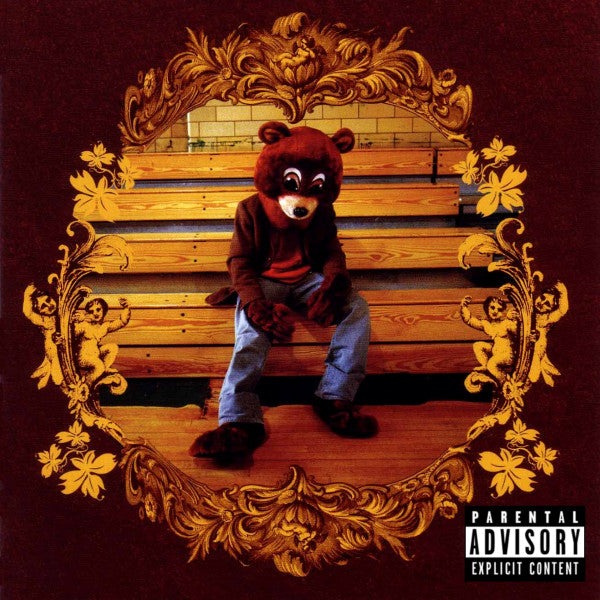
The College Dropout: The reflective debut album of Ye – By Adekanbi Olasubomi.

The College Dropout is the debut studio album by American rapper and producer Kanye West. It was released on February 10, 2004, by Roc-A-Fella Records and Def Jam Recordings. Already introduced to music from a young age, Ye’s musical talent was already discovered in the usual place where most musical superstars start from, the church. With him being his church’s piano player, his upbringing is very important and it shows throughout the album’s 76 minutes length.  Ye’s career initially started behind the boards as he produced for musicians from Janet Jackson to Jay Z. Till, he was encouraged to rap in the studio by friend and longtime collaborator, Jay Z. Most labels weren’t too keen to sign Ye, even got rejected by Capitol records, till, just to keep him with them, Rock-A-Fella, reluctantly gave Ye a recording contract and he began work in 1999, and Ye, always the perfectionist, scheduled release for August, 2003 and then 3 more date postponements till he finally dropped it on February 10, 2004.  I’ll be taking you on the journey of one of the greatest Artistes of all time’s debut album.  Intro Backdrop, Ye, is a college dropout in this album, and it’s a couple of years later and he’s famous, and he’s asked by Teachers from his old school to make a jam for the “kids on graduation to sing’.  We Don’t Care Kanye, uses this as a reply to the teacher in the first track, he talks about how he lived in the ghetto, he’s accompanied by a childlike choir as they sing “We wasn’t supposed to make it past 25, jokes on you we still alive” . He further delves on how he grew up where dealing drugs was the only way to survive, he talks about the black community during his childhood, where there’s no support for the average black child, they have to work extra hard to just live above means and the song gloats about how he and the graduation kids have beat the systemic oppression. Graduation Day A continuation of the dialogue from the first two tracks, Ye is replied by the teacher and he’s angry with the song that Kanye and the kids sing in front of a Caucasian crowd, he’s angry that Kanye wasted the opportunity to help him and he takes away Kanye’s graduation tickets. He then sings about how he’s dropping out but “don’t tell anybody/my mama’s gonna kill me”. All Falls Down. His first verse talks about a girl in a University who isn’t interested in school again, she’s had her doubts but she can’t drop out because she has a lot counting on her and then she decides to do a vocation instead just to pay the bills and also to take care of her child, since, stereotypically, the male parent is absent in the mother and child’s life. In the second verse, he talks about his self consciousness and how he uses luxury items to cover up his insecurities, he further talks about systemic racism “Even if you’re in a Benz, you’re still a nigga”. The third verse, talks about how the judiciary is harder on people of colour and how the media has had an adverse effect on black self love, he still talks about how he spends money on needless things to feed his ego.   I’ll Fly Away His Christian roots show in this song, as it’s a piano rendition of the 1929 track by Albert Brumly “I’ll fly away”. Spaceships He talks about how hard he works and he hasn’t made any profit and he rages about how he hates his job and he quits to do music where he says his hard-work helped be successful and how he’s pressured by society and how he wishes he could just fly away from his problems (don’t we all?). Jesus Walks The gospel infused track talks about his upbringing where crime is the order of the day, how black men are always harassed by security forces and how he asks God to save him, though, he’s afraid he might not be heard due to his distance from Him. Never Let Me Down Jay Z kicks off with his wordplay and lyrical bravado, he raps on the soul sampled track about his commercial prowess in the rap game as he sees no competition. Kanye then raps about his grandfather and mother’s involvement in the civil rights movement of the 60s and “… with that in my blood, I know I’m different”. He says “racism is still alive, they’re just concealing it”. He shows a bit of vulnerability as he engages in a dialogue with his then girlfriend’s father and then talks a bit about his near-fatal accident, then the track continues with a “preacher like” third verse with a choir in the background supplementing the verse and with Jay Z closing out the track. Get Em High The beat is a contemporary one, where moves from topic to topic, from dropping out to women, this is a club jam for the early 2000s. The track aided with Talib and Common’s vocals, all infuse their rap bravado on the tune. Workout Plan It starts with some stereotypical black American women talking about how one of their friends is doing well for herself and she talks about a “Workout plan” that’ll help them get “ballers”.  New Workout Plan The song is workout theme, Kanye raps like a gym instructor who’s instructing his class with his sexual involvement with some of his fitness subscribers. His work is acclaimed by some of the women who talk about how his “Workout plan has got them some ballers”. Slow Jamz The Jamie Foxx , Twista and Luther Vandross sampled tune gives off RnB vibes, shows Kanye’s diversity as Jamie Foxx says earlier that “lets make something for the ladies”. Kanye raps about how he meets a girl in the club as they have fun together and then make love to some old RnB tunes,

The College Dropout: The reflective debut album of Ye – By Adekanbi Olasubomi. Read More »

Love Joints

It sounds a bit ironic to talk about love joints (songs) in the same sentence as rap music. Yes, rap is notorious for celebrating violence and over-the-top misogyny.  Nonetheless, love is a well-documented theme in the genre. The theme of love has helped rappers to crossover into the mainstream and reach radio-friendly audiences: LL Cool J, Heavy D, Nas, Method Man, and many others.  I must confess that I had fun curating this playlist as I had to struggle whether to categorize some songs as battle/diss or love joints. Consultation with a fellow raphead on the apt categorization of “Break Ups 2 Make Ups” by Method Man feat D’Angelo goes: “Me: Is this a love or diss joint? Raphead J: It’s a bit of both. A tumultuous and maybe destructive relationship. The verses say one thing the hook says another. Me: D’Angelo was going mushy but Meth was abusing the life out of the lady! “Slut Committee”?? Raphead J: Lol. That’s typically how those relationships play out. Me: Abusive!! So, it goes to Battle/Diss category or love joint? Raphead: Mehn, this one na Jamb question o! At a push, I would say love. It’s warped but it is what it is Me: Abusive love? Raphead: 100%. Me: Calling someone’s circle of friends “Slut Committee”? Eyen o bosi naw. But she be ex-girlfriend Raphead J: Yeah, I am putting the entire song in context. What I hear is a love/hate relationship. The break-up and makeup cycles. Me: O deep. Raphead J: I hate you when we are together but can’t live without you type yarns Me: True. Why Meth sef dey call the chick? Na ex guy. Going for a rebound? Needed to revisit the locus in quo” The other songs in this love/hate category that I struggled with were: “Trials of Love-Prodigy”; “Bye Baby-Nas”; “Round & Round-Jonell & Method Man”. You can find unconditional love in: Undying love-Nas; I’ll be there for you-Method Man feat Mary J. Blige; Ryde or Die B****-Lox; Can You Get Away-Tupac And, there are songs on chatting up ladies: “Hey Lover” LL Cool J feat Boyz II Men; “Excuse Me Miss”-Jay-Z and others. We hope you enjoyed the playlist as much as we enjoyed curating. Further reading: Love Joints Playlist Check out our Love Joint playlist via

Love Joints Read More »

Tough Love Joints – DJ Daggash

My curation of Rap love songs has evolved from confusion last year, when I struggled to either place love related tracks with negative lyrics either as a love joint or diss song, to settling for a new category: Tough Love Joints. I put them under love joints as it was decided that that is just the nature of some romantic relationships: toxic. But it’s still about love that has either gone sour or struggling against the odds to hold on. Tough Love Joints’ is the title of my new playlist that captured tracks in this category of love/hate/diss/toxicity. Shockingly, about half (26) of the songs in my Love Joints Playlist (60) fell into this category. Though on a second thought, one shouldn’t be surprised. It is largely believed that 50% of 1st marriages don’t work. And, it gets worse with subsequent marriages. Think about the number of people you have dated so far or dated before marriage. Fair number of those relationships failed. Not necessarily due to lack of love but rather due to some irreconcilable differences. So, imagine if they were going to make a song about the relationship? They could be negative even though they were in love or are even still in love. So, welcome to my Tough Love Category. Tough love is generally seen as enforcing a tough condition or constraints for the benefit of a loved one or both sides. It sometimes means laying down tough rules and conditions to sustain the love. It could mean loving someone from afar for their own benefit or for everyone’s benefit. It may include breaking up not for lack of love but perhaps you dated or married each other too early or too late or you are meant to be in love without dating or marrying. Like Jay-Z rapped in Mood and the Sun with Sade “the door is open but the window is closed”.  Examples of the songs in this category includes “Ex Factor”, Lauryn Hill; Break Ups to Make Ups, Method Man/D’Angelo; Moon and the Star, Sade Adu/Jay-Z; Fly Girl by Queen Latifah; Do For Love, Tupac; Ain’t No Nigga, Jay-Z; Trials of Love, Prodigy; Blame Game, Kanye; Gold Digger, Kanye; and, Undying Love, Nas” By and large, the songs reflect the reality of love affairs and marriage. It can be sweet, sweet or bitter sweet or bitter. A lot of the songs expressed deep emotions for the other side and there are a lot to be gained and enjoying to the songs We have curated about 26 Tough Love Joints for your enjoyment. We hope you enjoy it as much as much as we did putting it together. Happy Val’s Day. Here is the link to our previous article on Love Joints  Here is a link to our Tough Love Joints 

Tough Love Joints – DJ Daggash Read More »

Big L: Auspicious Storyteller and Hiphop’s Most Underrated Lyricist  by Rahmon

Lamont Coleman (May 30, 1974 – February 15, 1999), better known by his stage name, Big L, was an American Rapper from Manhattan, New York. His first professional appearance came on the remix of Lord Finesse’s “Yes You May” in 1992, and later became a member of collective D.I.T.C. (Diggin In The Crates) due to his association with Finesse. Coleman released his debut album, Lifestylez ov da Poor & Dangerous, in 1995, and significantly contributed to the underground hip hop scene in New York. Shortly before his death, he created his own independent label, Flamboyant Entertainment, on which he released one of his best-known singles, “Ebonics”, in 1998. The main components of Coleman’s lyrical technique were a straight forward matter-of-fact style, multi-syllabic rhyming and a rough sense of humor. Many of his songs feature violent and homicidal lyrics, with songs “All Black” and “Devil’s Son” being prominent examples of his use of the sub-genre horrorcore.On February 15, 1999, Coleman was fatally shot by an unknown assailant in his hometown Harlem, a neighborhood of Manhattan. His second studio album, The Big Picture, was put together by Coleman’s Manager, Rich King. It was released the following year and was certified gold. Four posthumous albums have been released, mainly consisting of unreleased songs which were put together by Rich King and Coleman’s brother Donald. Coleman was born in Harlem, Manhattan, New York on May 30, 1974 as the youngest and third child of Gilda Terry (d. 2008) and Charles Davis. His father left the family when Coleman was a child. His two siblings were Donald and Leroy “Big Lee” Phinazee (d. 1999). At the age of 12, Coleman became a big fan of hip hop and began freestyling against people in his own neighborhood. Around this time, Coleman adopted the stage name “Big L”, a reference to his childhood nickname “Little L”.  Coleman attended Julia Richman High School. While in high school, Coleman freestyle battled in his hometown; in his last interview, he stated, “In the beginning, all I ever saw me doing was battling everybody on the street corners, rhyming in the hallways, beating on the wall, rhyming to my friends. Every now and then, a house party, grab the mic, a block party, grab the mic.” He graduated from high school in 1992. He formed a group with three which was called ‘Three the hard way’. The group eventually fizzled out due to lack of enthusiasm. ‘Rodney’, Coleman, ‘Doc Reem’ made up the trio of the group. After ‘Rodney’ left the group they were renamed as ‘Two hard motherfuckers’. This was the time when Little L came to be called as Big L. Lamont recorded several demo videos. Several of these videos were later included in his debut album which was titled Lifestyle ov da poor and dangerous. Lord Finesse was at an autograph event at a record shop where Coleman did a freestyle. Following this Coleman and Finesse exchanged numbers. Several people close to Big L remember the time when Big L was brought onto the stage by Finesse and there were some really good moments created. He appeared alongside Finesse in the Yo! MTV ‘s Raps to promote the latter’s ‘Return of the Funky Man’.Nubian productions had held a freestyle battle in which Lamont triumphed over 2000 contestants. A deal sign with Colombia pictures happened. The first single ‘Devil Son’ was released in 1993. As Big L recounted, he was a great fan of horror flicks. They fascinated him. Plus he recounted that he had seen very horrible things in Harlem. All these put together inspired him to come out in the single track. He performed at the Birthday bash of Finesse among Fat Joe, Diamond D and Nas. In the year 1994, Coleman released Clinic which was a promotional single too. In the month of July the same year a radio edit version of ‘Put it on’ was released. In three months’ time the video was released for the public to enjoy. The following year, he released ‘No Endz, No Skinz’.Brian Luvar directed this single.Lifestyle ov da poor and dangerous released in the year 1995, in the month of March. It came out at 149 on Billboard and number 22 on Top R & B/ Hip hop albums. As of the year 2000, the album sold 200,000 copies. In 1996 he was dropped from Colombia which was due to disputes with the production on the grounds of his rapping style. Big L recounts the experience as being among a bunch of strangers who did not know anything about music. Big L started working on ‘The Big Picture’ which happens to be the second studio album. Big L had formed a group Children of the Corn along with Killa Cam, Bloodshed, and Murda Mase. On March 2, 1997 this group closed as Bloodshed died in a car accident. In 1998 Flamboyant entertainment was formed as an independent label. In 1998, Ebonics, the next single was released. One of the famous hip hop murders is that of Lamont. In his childhood, Big L was constantly involved in battles in the neighborhood. He himself saw that he would be rhyming and battling in his future. He made enemies of which one of them had caught up. Big L lies buried in the George Washington Memorial park which is in Paramus in New Jersey. On 15th of February in 1999 on the 45 West 139th street he was shot a total of 9 times in the head as well as the chest in Harlem. Big L’s friend from childhood Gerard Woodley was arrested for the crime but later, amidst controversy he was released. The murder case remains a mystery till date. The New York police believe that it could have been a revenge for childhood act which Woodley believed to have happened. Whether it did or not is unsure.Coleman’s first posthumous single was “Flamboyant” b/w “On the Mic”, which was released on May 30, 2000. The single peaked at number 39 on the Billboard Hot R&B/Hip-Hop Songs and topped the Hot Rap Tracks, making it Coleman’s first and only

Big L: Auspicious Storyteller and Hiphop’s Most Underrated Lyricist  by Rahmon Read More »

The Life and Times of Christopher Wallace 25years after by – Timilehin Salu

Christopher George Latore Wallace was born on May 21, 1972. He is better known by his stage names the Notorious B.I.G., Biggie Smalls, or simply Biggie. He was an American rapper and songwriter. Wallace was born at St. Mary’s Hospital in the Brooklyn borough of New York City on May 21, 1972. He was the only child of Jamaican immigrant parents. His mother, Voletta Wallace, was a preschool teacher, while his father, Selwyn George Latore, was a welder and politician. His father left the family when Wallace was two years old, and his mother worked two jobs while raising him. He was nicknamed “Big” because he was overweight by the age of 10 Wallace claimed to have begun dealing drugs at about age 12. His mother, often at work, first learned of this during his adulthood. He began rapping as a teenager, entertaining people on the streets, and performed with local groups, the Old Gold Brothers as well as the Techniques. His earliest stage name was MC CWest. At his request, Wallace was transferred from Bishop Loughlin Memorial High School in Fort Greene to George Westinghouse Career and Technical Education High School in Downtown Brooklyn, which future rappers Jay-Z and Busta Rhymes were also attending. According to his mother, Wallace was still a good student but developed a “smart-ass” attitude at the new school.  At age 17 in 1989, Wallace dropped out of high school and became more involved in crime. That same year in 1989, he was arrested on weapons charges in Brooklyn and sentenced to five years’ probation. In 1990, he was arrested on a violation of his probation. A year later, Wallace was arrested in North Carolina for dealing crack cocaine. He spent nine months in jail before making bail. Born and raised in Brooklyn, New York City, Wallace signed to Sean “Puffy” Combs’s label Bad Boy Records as it launched in 1993, and gained exposure through features on several other artists’ singles that year. His debut album Ready to Die (1994) was met with widespread critical acclaim, and included his signature songs “Juicy” and “Big Poppa”. The album made him the central figure in East Coast hip hop, and restored New York’s visibility at a time when the West Coast hip hop scene was dominating hip hop music. Wallace was awarded the 1995 Billboard Music Awards’ Rapper of the Year. The following year, he led his protégé group Junior M.A.F.I.A., a team of himself and longtime friends, including Lil’ Kim, to chart success. Rooted in the New York rap scene and gangsta rap traditions, he is widely considered one of the greatest rappers of all time. Wallace became known for his distinctive laid-back lyrical delivery, offsetting the lyrics’ often grim content. His music was often semi-autobiographical, telling of hardship and criminality, but also of debauchery and celebration. Biggie had earlier had a daughter with his earlier girlfriend Jan Jackson named T’yanna. He later dated Lil Kim; a member of his crew -Juniour MAFIA. He later met Faith Evans and they got married just eight days after. He was quoted saying “I married her after knowing her for eight days and I was happy. That was my baby,” he said to Vibe magazine. He conceded that the speed of their courtship did not provide a solid foundation. “We should have got to know each other and then got married”. Wallace was murdered in a drive-by shooting while visiting Los Angeles on March 9, 1997. The assailant remains unidentified. The murder was thought to be the culmination of an ongoing feud between rap music artists from the East and West coasts. Just six months earlier, rapper Tupac Shakur was killed when he was shot while in his car in a drive-by shooting in Las Vegas. Ironically, Wallace’s death came only weeks before his new album, titled Life After Death, was scheduled to be released. The murder of Biggie has never been solved, though it has been suggested that either Marion “Suge” Knight, the former head of Death Row Records, Shakur’s label, or the Crips gang may be responsible. Knight was also shot (but not wounded seriously) in the fatal Las Vegas attack on Shakur and is rumored to have engineered a retaliatory strike against Wallace, whom he held responsible for the Las Vegas shooting. With two more posthumous albums released, Wallace has certified sales of over 28 million copies in the United States, including 21 million albums. Rolling Stone has called him the “greatest rapper that ever lived”, and Billboard named him the greatest rapper of all time. The Source magazine named him the greatest rapper of all time in its 150th issue. In 2006, MTV ranked him at No. 3 on their list of The Greatest MCs of All Time, calling him possibly “the most skillful ever on the mic”. In 2020, he was inducted into the Rock and Roll Hall of Fame. Before his death, Biggie had plans to begin a clothing line called Brooklyn Mint to cater for plus size customers but this suffered a setback as a result of his death. On the 16 September 2020, B.I.G.’s crown was auctioned off for $600,000 with proceeds going to his foundation, “Think Big”- with the BIG representing Books instead of Guns. The car in which Notorious B.I.G. was fatally shot was also put up for auction, with the seller of the GMC Suburban supposedly seeking £1.25 million. Although life might have been snuffed out of the “King of New York” in his prime, we are left to ponder on what the mic god might have achieved if he had been around for longer. Make no mistake though, the only Christopher we recognize in this rap game is Wallace. References: Life after death: How the Notorious B.I.G. lives on 25 years after his murder – CHUCK Anold The Unsolved Mystery of the Notorious B.I.G – Randall Sullivan

The Life and Times of Christopher Wallace 25years after by – Timilehin Salu Read More »

Shopping Cart